Skip to content
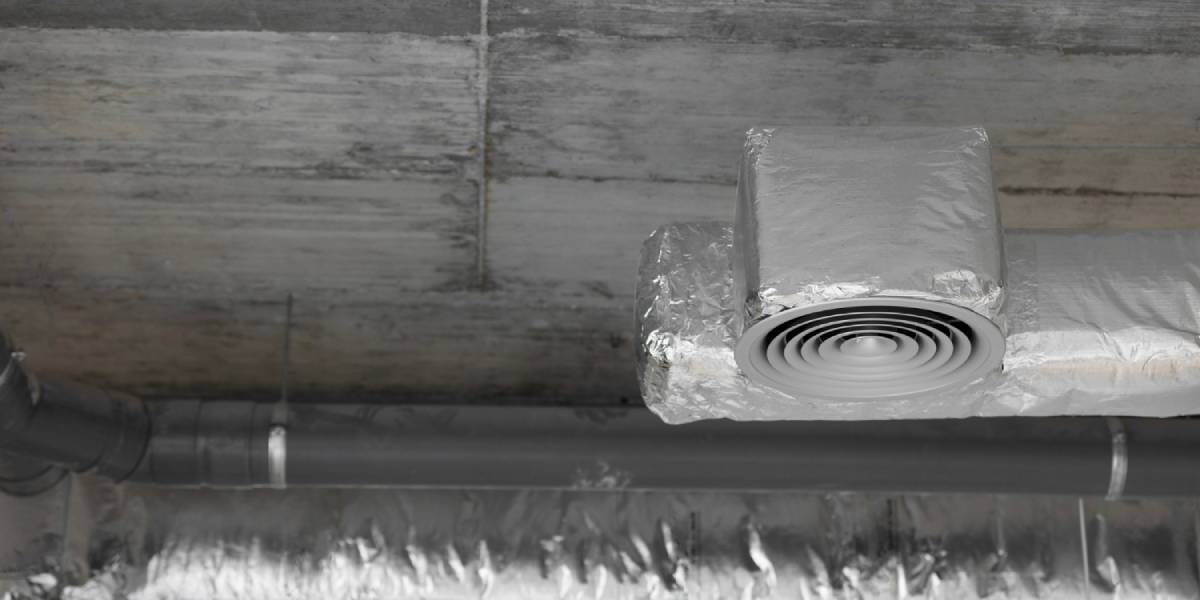
A properly designed HVAC system does more than cool a property. It also controls airflow, temperature balance, and indoor comfort. One of the most overlooked parts of this system is the return air setup. Many homeowners focus only on supply vents, but understanding the role of return vents in house layouts is essential for maintaining consistent airflow and cooling performance.
In villas and large homes, proper air circulation becomes even more important. Without enough return airflow, rooms may feel warmer, airflow may weaken, and the HVAC system may work harder than necessary. This is why many modern systems now include return vents in multiple rooms instead of relying on a single central return.
What Is a Cold Air Return?
To understand the importance of air returns, it is important to know what is a cold air return. A cold air return is a vent connected to the HVAC system that pulls indoor air back into the unit for re-cooling and recirculation.
Unlike supply vents that push cool air into a room, a cold air return vent removes existing air so the HVAC system can continue operating efficiently. Without this return cycle, air circulation becomes uneven and pressure imbalances can occur.
The return air duct acts as the pathway that carries indoor air back to the HVAC system. Together, these components help maintain balanced airflow throughout the property.
What Does a Return Air Vent Do?
Many homeowners ask, what does a return air vent do exactly. Its primary role is to pull air from inside the room back into the HVAC system so it can be filtered, cooled, and redistributed.
This process helps:
- Maintain balanced air pressure
- Improve airflow circulation
- Support consistent cooling
- Reduce strain on HVAC equipment
Without proper return airflow, cool air supplied into the room may become trapped, reducing system efficiency and overall comfort.
Benefits of Return Vents in Every Room
Installing return vents in house layouts with multiple return points provides several advantages, especially in larger homes and villas.
Better Temperature Balance
One of the biggest benefits is improved temperature consistency. Rooms without adequate return airflow often become warmer because cool air cannot circulate effectively.
By adding return vents in multiple areas, air moves more evenly throughout the property, reducing hot and cold spots.
Improved Cooling Efficiency
Many homeowners wonder, will adding a return vent help with cooling. In many cases, yes. Additional return airflow helps the HVAC system move air more efficiently, allowing cooling to distribute properly across all rooms.
This is especially useful in larger villas where airflow resistance can affect certain areas more than others.
Reduced HVAC Strain
A properly sized return air duct reduces pressure imbalance inside the HVAC system. When airflow moves freely, the unit does not have to work as hard to maintain target temperatures.
This can help improve system performance and reduce unnecessary wear on components over time.
Better Indoor Air Circulation
A well designed HVAC cold air return setup improves overall air movement throughout the property. Better circulation helps maintain fresher indoor air and supports more consistent airflow in enclosed rooms.
Return Air Vents in Bedrooms
Adding return air vents in bedrooms can significantly improve comfort levels, especially at night when doors remain closed for long periods.
Without return airflow, pressure builds inside the room as cool air enters through supply vents. This can reduce airflow efficiency and make the room feel less comfortable.
Bedroom returns help:
- Maintain steady airflow
- Improve cooling consistency
- Reduce stuffy conditions
- Support quieter HVAC operation
This is one reason many modern villa layouts now include dedicated returns in bedrooms.
HVAC Cold Air Return and System Design
A proper HVAC cold air return design is important for overall HVAC performance. The location, size, and number of return vents directly affect airflow efficiency.
In poorly designed systems, airflow restrictions can lead to:
- Uneven cooling
- Increased energy usage
- Reduced comfort levels
- HVAC performance issues
Professional planning ensures the return air system matches the size and layout of the property.
Common Signs of Poor Return Airflow
Many homeowners do not realize they have return airflow issues until comfort problems appear. Common signs include:
- Certain rooms feeling warmer than others
- Weak airflow from vents
- Doors moving slightly when closed
- Increased HVAC runtime
- Uneven cooling across the property
These issues often indicate that the current return air duct system is not sufficient for the property layout.
Why Proper HVAC Planning Matters in Renovation Projects
When planning a renovation or HVAC upgrade, airflow design should be considered early in the process. Proper return vent placement improves long term comfort and HVAC efficiency.
For larger homes and remodeling projects, working with professionals experienced in Villa renovation in Dubai ensures that HVAC systems, return ducts, and airflow layouts are integrated correctly during renovation planning.
This prevents expensive modifications later and helps create a more balanced indoor environment.
Final Thoughts
Understanding how return airflow works can make a major difference in indoor comfort and HVAC efficiency. Properly placed return vents in house layouts help maintain airflow balance, improve cooling, and reduce strain on the HVAC system.
From return air vents in bedrooms to optimized HVAC cold air return setups, each element contributes to better performance and comfort. If you are wondering will adding a return vent help with cooling, the answer is often yes, especially in larger properties with uneven airflow.
A properly designed return air duct system supports smoother air circulation, improved efficiency, and a more comfortable indoor environment throughout the property.