Skip to content
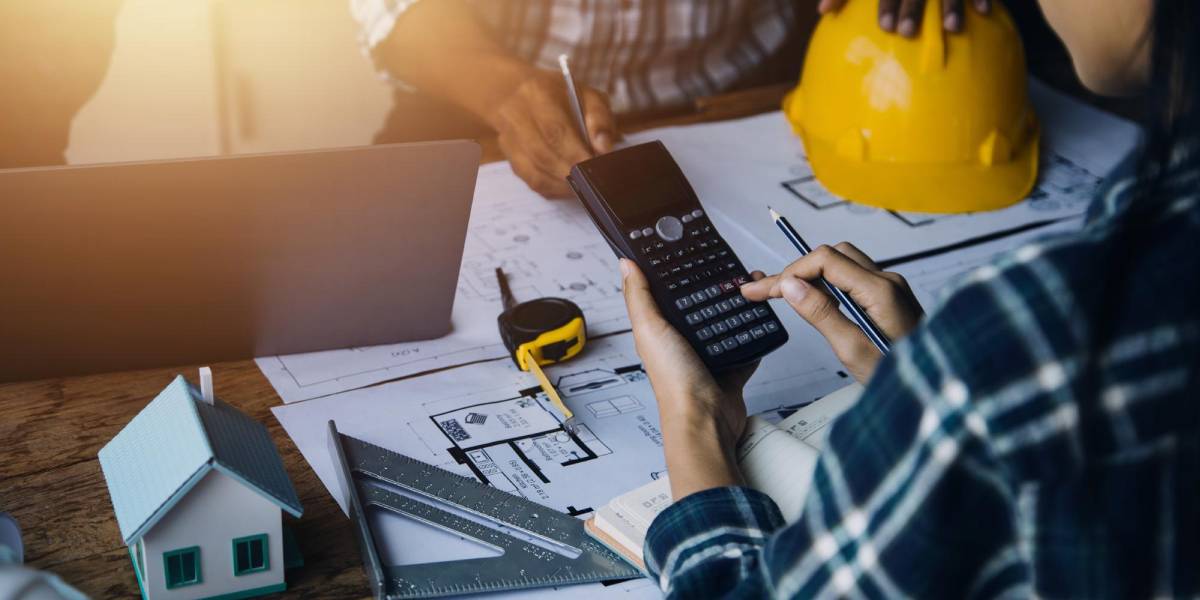
Understanding space measurements is essential for any renovation, construction, or interior project. Whether you are planning a new layout, estimating material costs, or working with contractors, knowing how to calculate square feet helps you make accurate decisions and avoid unnecessary expenses.
In Dubai, where space planning plays a key role in fit out and renovation projects, accurate measurement is directly linked to cost control and efficient execution. From flooring and tiling to painting and furniture placement, understanding how to measure square feet ensures every element is planned correctly from the start.
What Is a Square Foot?
Before getting into calculations, it is important to understand what is a square foot. A square foot is a unit of area that represents a square with each side measuring one foot. It is commonly used to measure residential and commercial spaces including rooms, villas, offices, and outdoor areas.
To visualize what is a square foot, imagine a tile that measures one foot by one foot. Larger spaces are simply the total number of these square units combined. This measurement standard makes it easier to compare spaces, calculate materials, and plan layouts.
How to Measure Square Feet in a Room
The most straightforward method to learn how to measure square feet is by calculating the area of a rectangular or square room. The formula is simple:
Length × Width = Area in Square Feet
For example, if a room measures 15 feet in length and 12 feet in width, the total area will be 180 square feet.
This is the most common way to calculate square feet for bedrooms, living rooms, kitchens, and offices. Always measure wall to wall and ensure your measurements are accurate.
For better accuracy:
- Use a measuring tape or laser measuring tool
- Measure twice to avoid errors
- Round off measurements carefully if needed
These small steps help ensure that your how to measure square footage process is reliable and precise.
How to Figure Out Square Footage for Odd-Shaped Spaces
Many homes and commercial properties do not have perfectly rectangular layouts. If you are wondering how to figure square feet for irregular spaces, the best method is to divide the area into smaller, manageable sections.
Break the layout into simple shapes such as rectangles or squares. Measure each section individually and then add them together to get the total area.
For example:
- Divide an L-shaped room into two rectangles
- Measure each part separately
- Add both areas to get the final square footage
This approach simplifies how to measure square footage for complex layouts such as villas, open plan living spaces, or commercial interiors. It also helps improve accuracy when calculating materials like tiles, decking, or artificial grass.
How to Calculate in Square Feet for Walls or Flooring
Different surfaces require slightly different methods when you calculate square feet.
Flooring Calculation
For flooring, use the standard length multiplied by width formula. Always add an extra 5 to 10 percent to cover cutting, fitting, and wastage. This is especially important for tiles, wood flooring, or stone finishes.
Wall Measurement
To calculate wall area, measure the height and width of each wall and multiply them. Then subtract the area of doors, windows, or openings.
For example:
- Wall height: 10 feet
- Wall width: 12 feet
- Total area: 120 square feet
- Subtract doors or windows if needed
This method is commonly used when planning paint, wallpaper, or wall panels. Understanding how to measure square footage for walls ensures accurate material estimation and avoids overspending.
Tools That Help You Measure Accurately
Using the right tools can make a big difference when learning how to figure square feet:
- Measuring tape for basic calculations
- Laser distance measurer for faster and more accurate results
- Calculator or mobile apps for quick area calculations
These tools help simplify the process and reduce the chances of human error, especially for larger spaces.
Why Accurate Square Foot Calculation Matters
Knowing how to calculate square feet is not just about numbers. It plays a major role in planning and budgeting your project.
Accurate measurements help in:
- Estimating material quantities correctly
- Avoiding excess purchases or shortages
- Planning layouts efficiently
- Reducing project delays and rework
When working with professionals such as landscape contractors in Dubai, accurate square footage ensures smoother communication and better execution. It allows contractors to provide precise quotations and complete the project without unnecessary adjustments.
Common Mistakes to Avoid
While learning how to measure square feet, many homeowners make avoidable mistakes. Measuring from incorrect points or angles can lead to inaccurate results. Ignoring irregular shapes or extensions often results in incomplete calculations.
Another common issue is not subtracting doors and windows when measuring wall areas, which can affect material estimates. Many people also forget to include extra material for wastage. Avoiding these errors ensures that your calculations remain accurate and useful throughout your project.
Practical Applications of Square Foot Calculation
Understanding how to measure square footage is useful in many real life scenarios:
- Planning flooring installation
- Estimating paint requirements
- Designing furniture layouts
- Calculating landscaping areas
- Evaluating property size for buying or renting
These applications highlight why learning how to figure square feet is essential for both homeowners and property investors.
Final Thoughts
Mastering how to calculate square feet gives you better control over your space, budget, and overall project planning. Whether you are working on a small room or a large villa, accurate measurements ensure efficient use of materials and smooth execution.
From understanding what is a square foot to applying methods for complex layouts, knowing how to measure square footage allows you to plan confidently and avoid costly mistakes. With the right approach and tools, you can make informed decisions and achieve better results for any renovation or construction project.